The use of renewable energy reduces atmospheric emissions
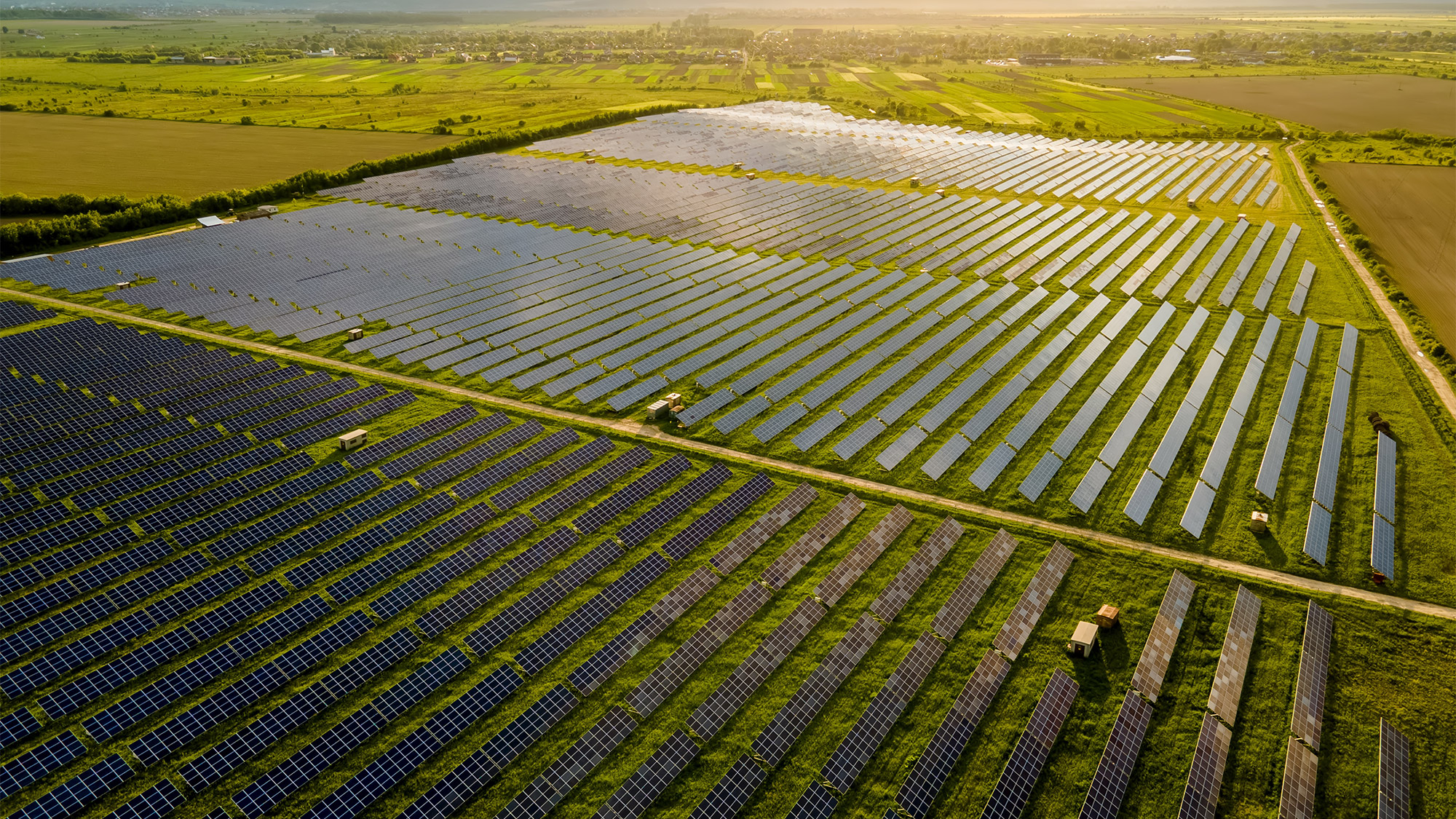
Renewable energy is energy production based on renewable energy sources such as solar, wind and hydropower. The advantage of this form of energy production is its environmental friendliness, as it produces no significant emissions into the atmosphere. Indeed, the use of renewable energy is an important means of reducing the adverse effects of fossil fuel use, such as climate change and pollution.
The use of renewable energy has increased significantly in recent decades and is expected to increase further in the future. Solar energy and wind energy in particular have grown in popularity with the development of technologies. Energy from biomass and geothermal energy is also being used more and more.
However, there are also challenges in the use of renewable energy, such as the variability and storage of energy production, which limit its efficient utilization. In addition, expanding the use of renewable energy requires investments and research collaboration between several actors. However, future technologies and new innovations can help address these challenges and further promote the use of renewable energy.
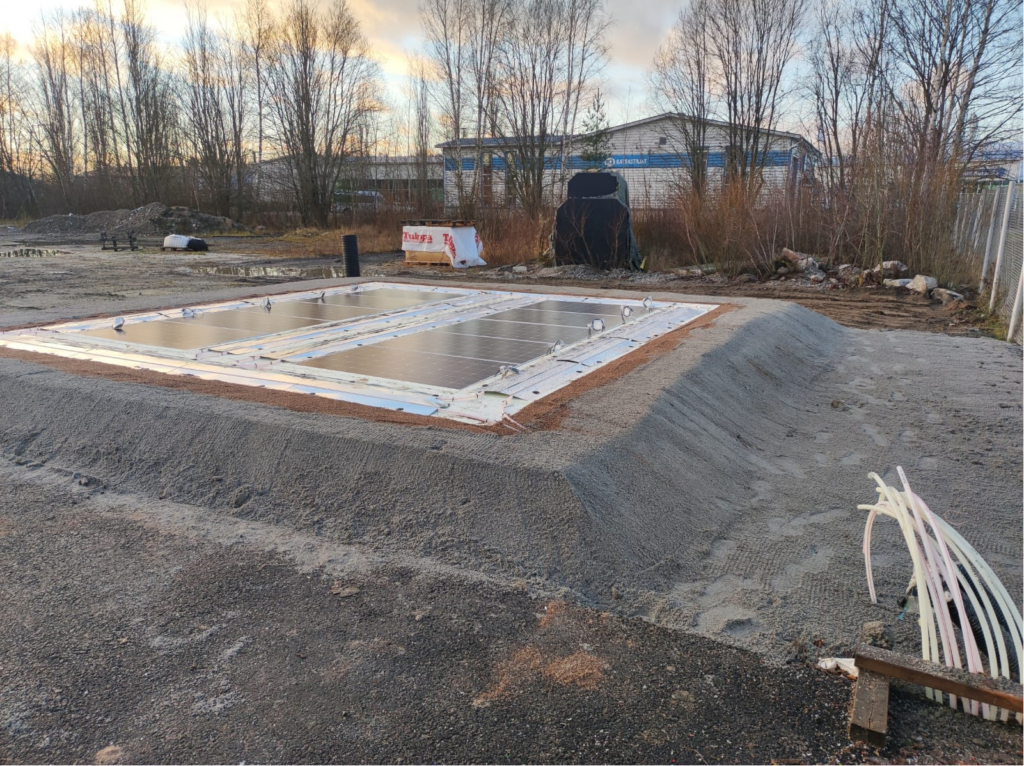
FF-FUTURE has been granted a global patent for a solar-powered lake. The pilot field has been in use in Salo for some time, and the results obtained from it have been in line with preliminary calculations and studies. The next step is to make a bigger field somewhere in southern Europe. This solution, developed by FF-FUTURE, is particularly good for use in deserts, as the system is also believed to increase groundwater reserves in the area.