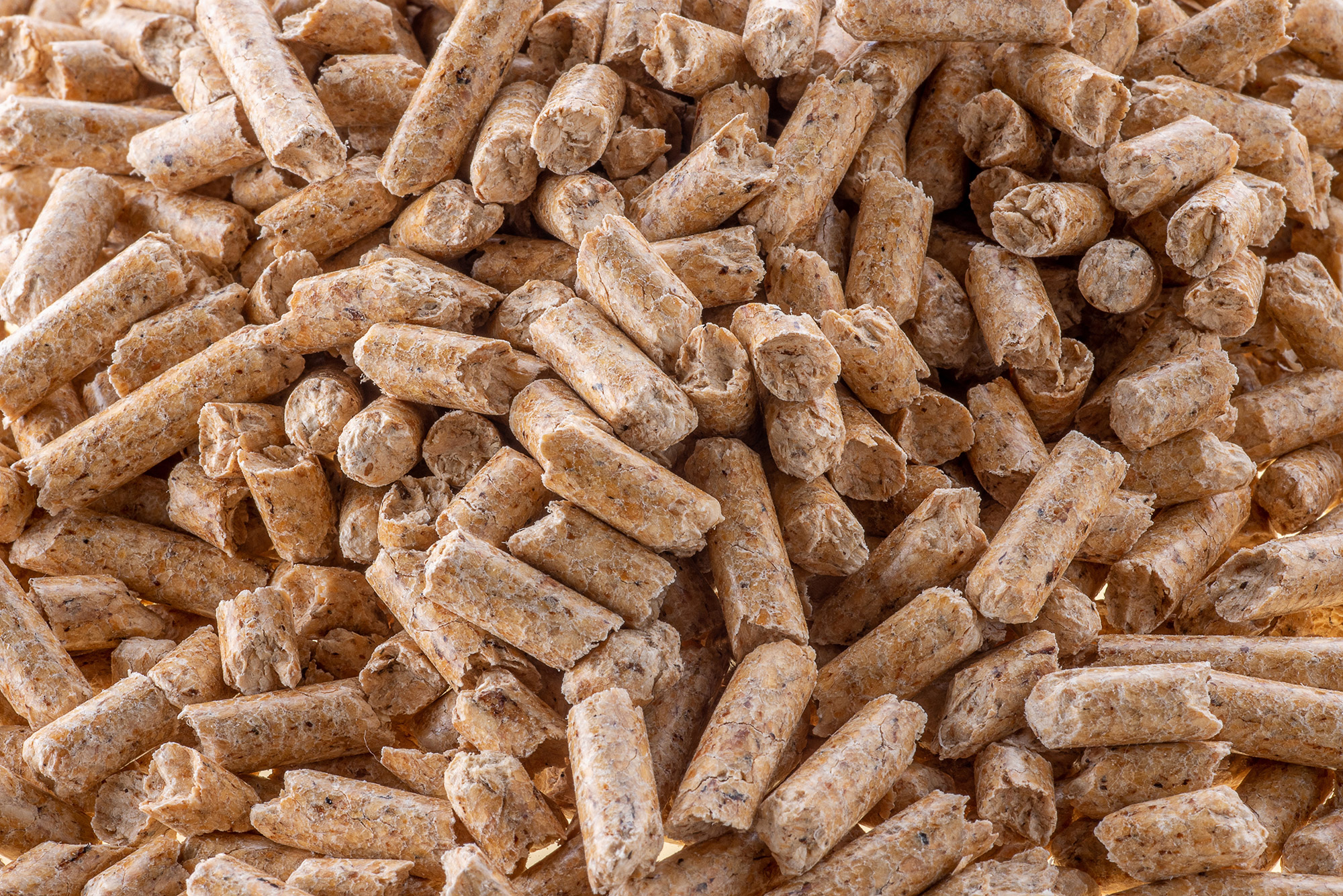
Renewable and environmentally friendly materials from biological raw materials
Biomaterials are materials that can be made from biological raw materials or natural materials. They are used in many different applications such as medicine, textile industry, packaging industry and building materials. Biomaterials have the advantage of being renewable.
The use of biomaterials has grown significantly in recent decades, and they are constantly being developed for new uses. For example, bio-based plastics are increasingly common, especially in single-use products, where the risk of them ending up in the wild after use is highest. Cellulose-based materials, such as paper and cardboard, are also biomaterials. Polystyrene can also be a bio-based material, but today it is mostly made from side streams of fossil fuels. Read more about polystyrene here.
There are also challenges related to the use of biomaterials, such as the availability and price of raw materials. In addition, biomaterial manufacturing processes can be demanding and technically challenging. In the future, however, the development and use of biomaterials will continue to grow as environmental awareness and sustainable development goals become increasingly important.
As with everything, bio-based materials have their advantages and disadvantages. Disadvantages include loss of natural resources and overharvesting of forests. Therefore, FF-FUTURE focuses on bio waste-based materials in biomaterials, i.e. the utilisation of waste streams. Such materials can also be called biowaste. These raw material bases do not compete with food production and do not increase deforestation.