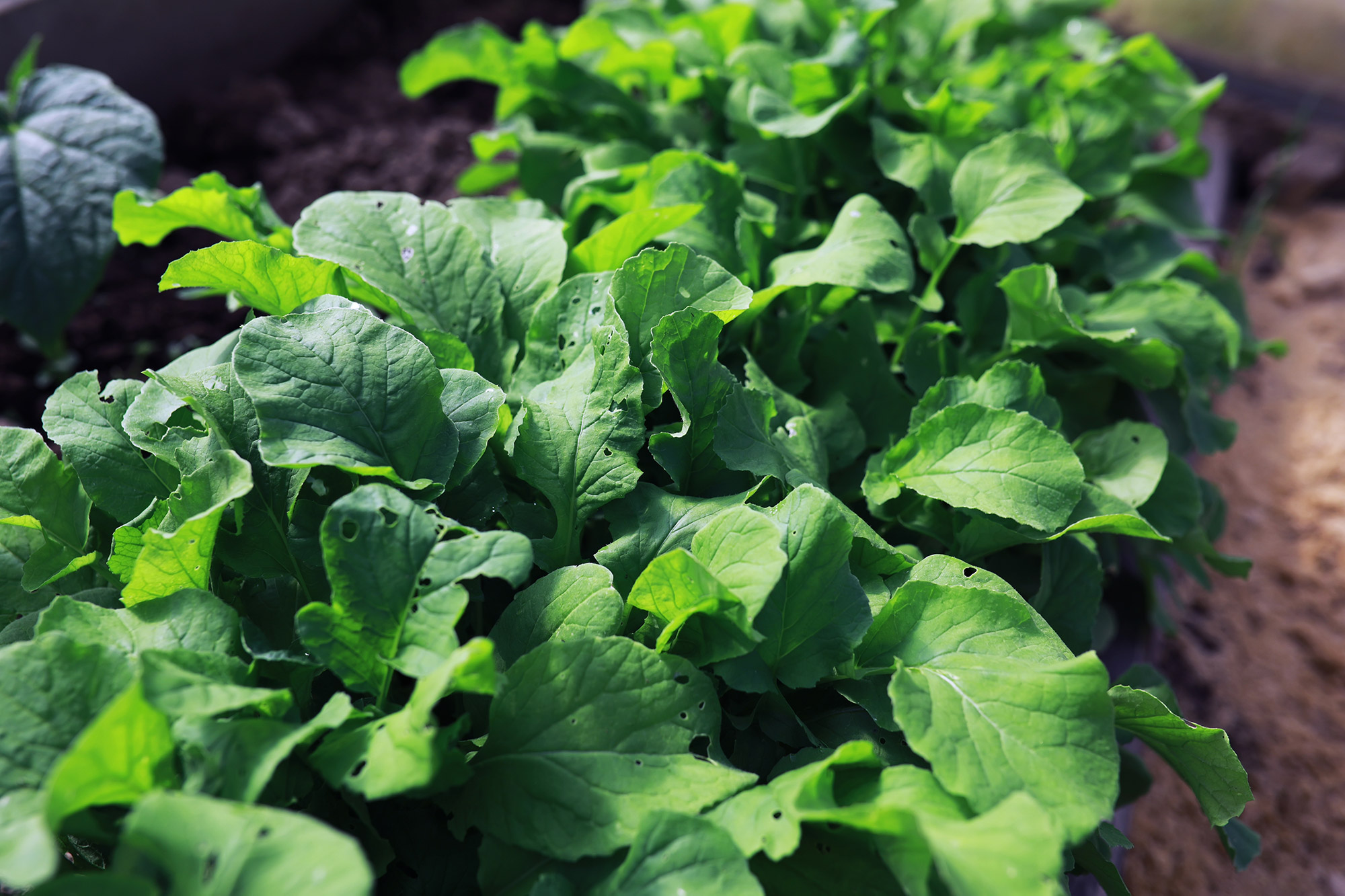
With less use of resources, more food
Food production efficiency refers to how much food can be produced by a single production unit. More efficient food production means that less use of resources can produce more food. This is particularly important for ensuring global population growth and food security.
Improving the efficiency of food production requires a number of factors, including the development of agriculture, better production technology, the development of fertilizers and plant protection products, and better harvesting technology. In addition, the efficiency of food production can be improved by developing new farming methods, such as hydroponics and aeroponia, where plants are grown without land.
Improving the efficiency of food production has significant environmental impacts. More efficient food production reduces the need for land use, thereby reducing deforestation and biodiversity loss. In addition, more efficient food production reduces energy and water consumption, as well as greenhouse gas emissions, which are a major environmental problem. FF-FUTURE is also involved in projects that study the above issues as well as, for example, ecological fertilization methods.