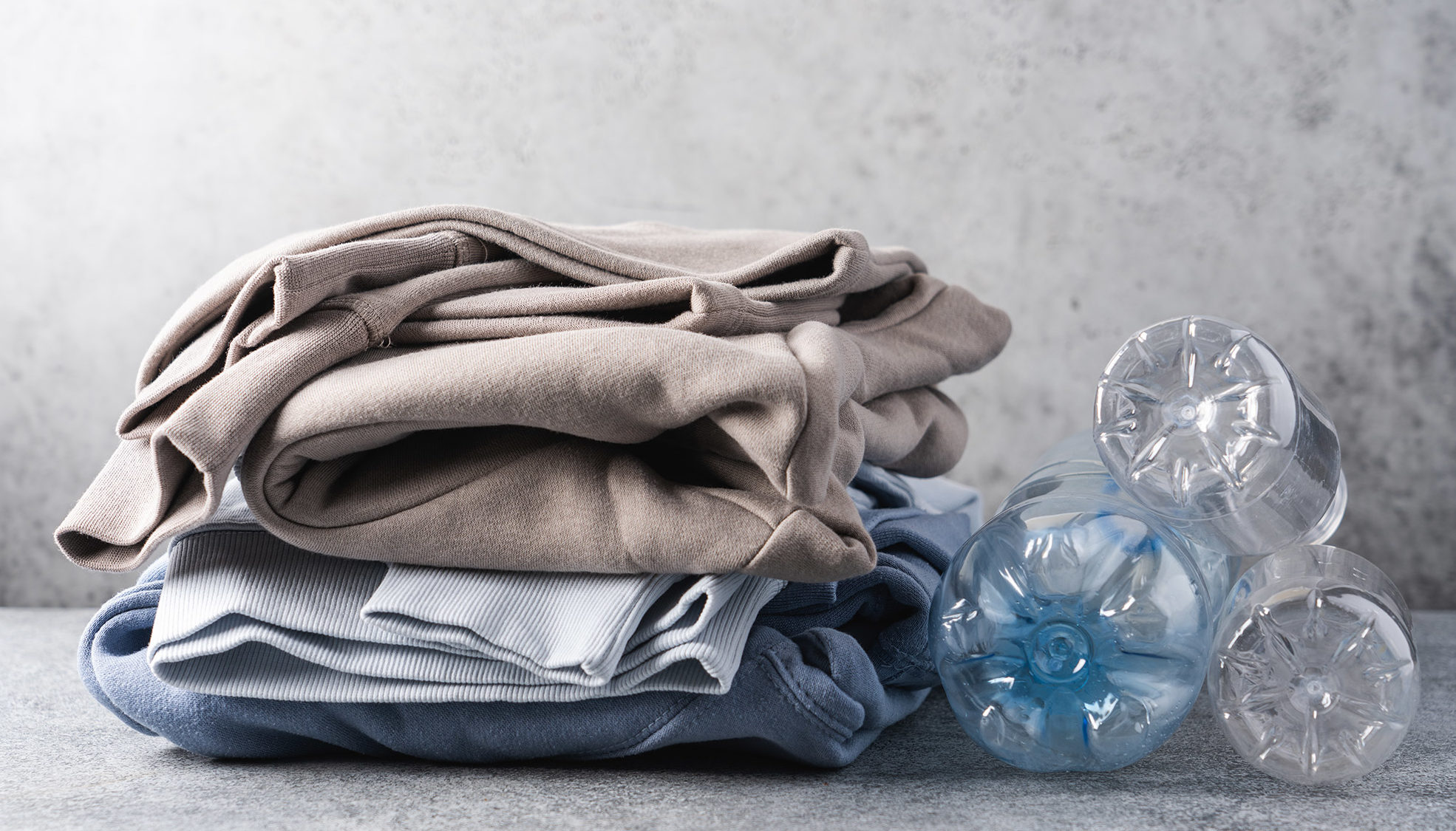
Circular economy reduces environmental problems and provides opportunities for new innovations
In a circular economy, materials and resources are used as efficiently and sustainably as possible. Its goal is to reduce the amount of waste and the consumption of natural resources, and to promote sustainable development and environmental protection. The circular economy is based on trying to extend the life cycle of the material/product and recycle the materials as many times as possible.
Key concepts in the circular economy include the recycling of materials, the reuse and reuse of products, and the saving of resources. Examples of circular economy include designing FF products/solutions to be sustainable and easy to repair, using recycled materials in product manufacturing, sorting and recycling waste, and saving energy and water in production processes.
The circular economy is an important means of promoting sustainable development and reducing environmental problems such as climate change and biodiversity loss. It also provides opportunities for new business models and innovations based on the efficient use of resources and environmentally friendly solutions that FF-FUTURE develops in many of its projects.
FF-FUTURE is developing plastic recycling strongly in cooperation with its sister company Finnfoam Oy. Many of these projects have started even before the birth of FF-FUTURE. Below you will find information about a few projects that have already been published.
Inosence Polyol Oy (inosence.com) is an ecological polyol factory owned by FF-FUTURE, whose main product polyester polyol is another main raw material of FF-PIR manufactured by Finnfoam Oy. Polyol mill uses difficult-to-recyclable PET plastic waste as its main raw material, such as multilayer films (https://yle.fi/a/3-12496179). The development project began in 2015 at the initiative of Allard van der Wal and Sami Häkkinen and the technology they developed in their laboratory. Mass industrial production began in 2021 and reached full speed in the summer of 2022. Over 80% of the production is currently delivered to Finnfoam Oy for the production of FF-PIR insulation.
The solvent recycling of polystyrene is a new way to recover pure polystyrene. The technology allows polystyrene to be recycled even if it only accounts for less than 50% of the waste. The development project began with a thesis in 2018, in which limonene was used for EPS recycling. Not all of the characteristics of limonene met Finnfoam’s requirements, and therefore hundreds of other alternatives were studied. Two of the best options were chosen and were also granted a patent. The first pilot plant will be completed at Finnfoam’s Salo mill in 2023. The commercialization of the technology will begin in 2024 under the name FF-ReusePS.
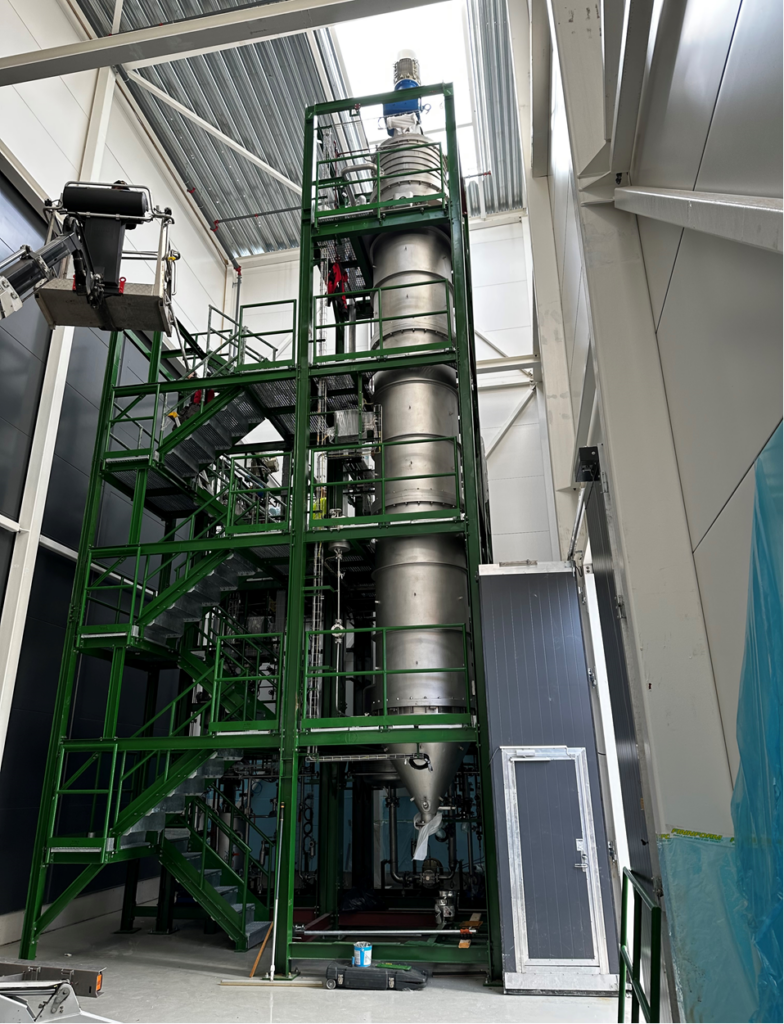
With the FF recyclable gun, Finnfoam collects hard foam plastics that have no cleanliness requirements from the work sites. This was the first of its kind in the whole world. The project began in 2018 with the development of a new product, FF-SILENT. In it, the key is recycled hard insulation foam granule, which does not have to be completely clean. The insulator is mixed with porous ceramic foam to produce a mass with very good soundproofing properties hence the name SILENT. The pulp also has very good fire technical properties clearly better than, for example, drywall. The recycling bag was launched in Southern Finland in 2019. The start of mass production at FF-SILENT was slowed down by the technical challenges of scaling. In 2022, production was started and the following production lines are planned for Finnfoam’s other factories. FF-FUTURE There are also several new circular economy development projects underway at Oy, which we hope to be able to tell you more about soon.